

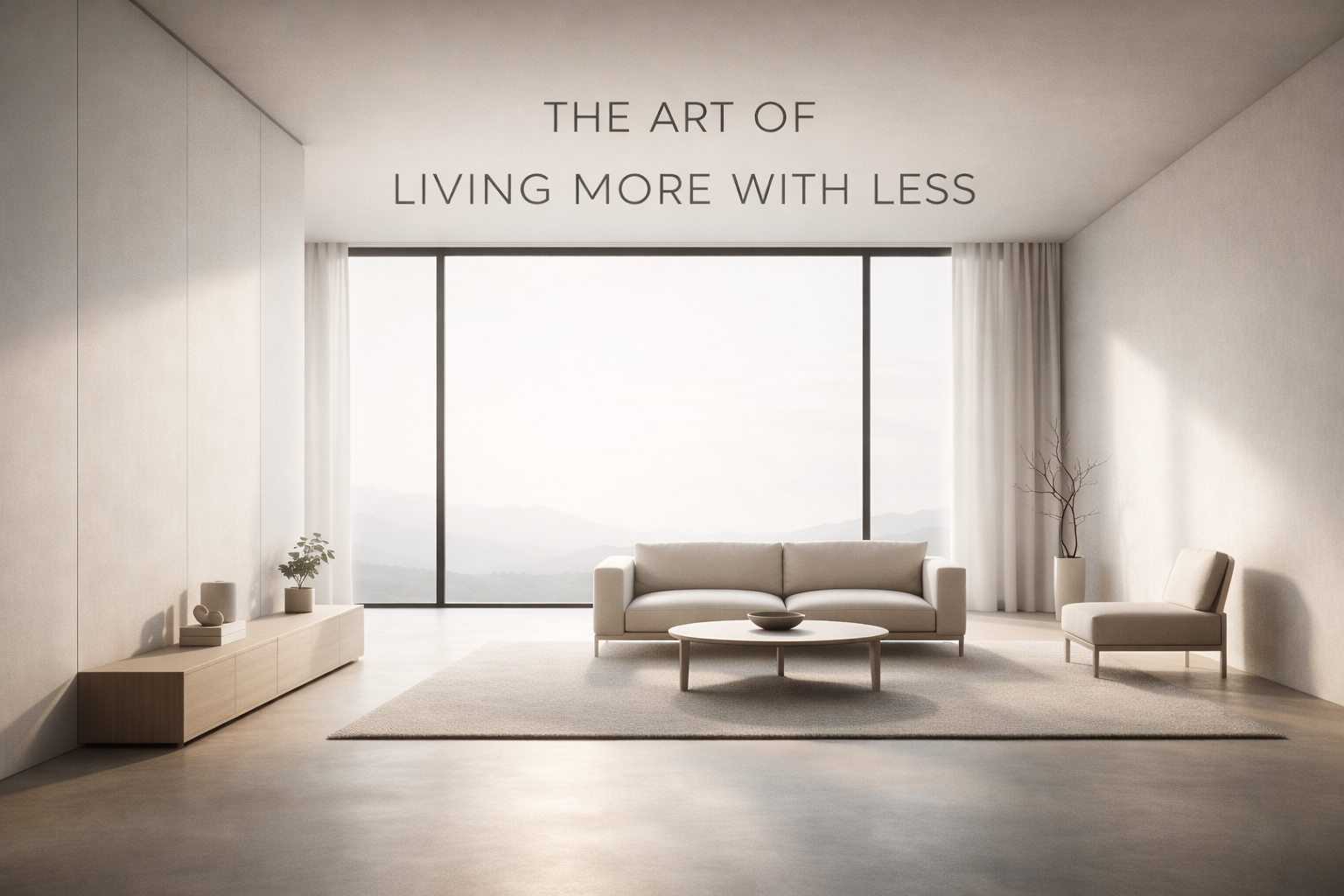
Minimalist Architecture, Maximum Comfort
Minimalist architecture is often misunderstood as simple or empty. In reality, it is one of the most intelligent and performance-driven design philosophies in modern construction. By eliminating excess and focusing on functionality, minimalist house design delivers maximum comfort, efficiency, and long-term value.
What Is Minimalist Architecture?
Minimalist architecture is based on clarity, proportion, and purpose. Every structural element serves a function. Every material is selected intentionally. Every square meter is optimized.
Unlike traditional design approaches that rely on decoration, modern minimalist homes prioritize:
• Clean geometry
• Open floor planning
• Natural light optimization
• Material authenticity
• Structural efficiency
For global examples of minimalist architecture, see:
https://www.dezeen.com/tag/minimalism/
https://www.archdaily.com/tag/minimalism
These projects show how less design often creates more impact.
Why Minimalist Homes Feel More Comfortable
Comfort in architecture is not about visual density. It is about environmental performance.
Minimalist house design improves comfort through:
Large glazing for daylight penetration
Cross ventilation for natural airflow
Thermal insulation for stable indoor climate
Acoustic optimization
Integrated storage solutions
Research from Harvard’s Healthy Buildings Program confirms that daylight and air quality directly affect productivity and cognitive performance:
https://www.hsph.harvard.edu/healthy-buildings/
By reducing clutter and improving spatial clarity, minimalist homes also reduce stress levels. The environment becomes calm, organized, and supportive.
Energy Efficiency and Sustainable Performance
Modern minimalist homes often overlap with passive house principles.
Key performance advantages include:
Airtight building envelope
Reduced thermal bridges
High-performance insulation
Heat recovery ventilation systems
Passive solar orientation
According to the Passive House Institute, properly designed passive homes can reduce energy consumption by up to 90% compared to conventional construction:
https://passivehouse.com/
Energy-efficient minimalist homes provide:
Lower operational costs
Reduced environmental footprint
Higher long-term property value
For modular minimalist construction systems, see our construction approach here:
[Internal Link – Construction System Page]
Economic Benefits of Minimalist Architecture
Minimalist architecture reduces structural complexity. Simpler forms mean:
Lower material waste
Fewer construction errors
Shorter build times
Better cost control
McKinsey research on construction productivity highlights that simplified design improves project predictability and reduces cost overruns:
https://www.mckinsey.com/industries/capital-projects-and-infrastructure/our-insights/reinventing-construction
In other words, minimalist architecture is not just aesthetic. It is economically strategic.
Materials: Where Luxury Meets Simplicity
True luxury in minimalist house design is found in material quality.
Instead of decoration, we see:
Natural timber
Fiber cement cladding
Stone textures
Glass facades
Steel accents
Each material is chosen for durability, performance, and timeless appeal.
Explore how we integrate material precision in our modular solutions:
[Internal Link – Materials or Sustainability Page]
Minimalism as a Lifestyle Choice
Minimalist architecture supports intentional living. Clean spaces encourage mental clarity. Functional layouts promote efficient daily routines.
No unnecessary walls.
No visual overload.
No wasted space.
Maximum comfort begins where excess ends.

No responses yet